
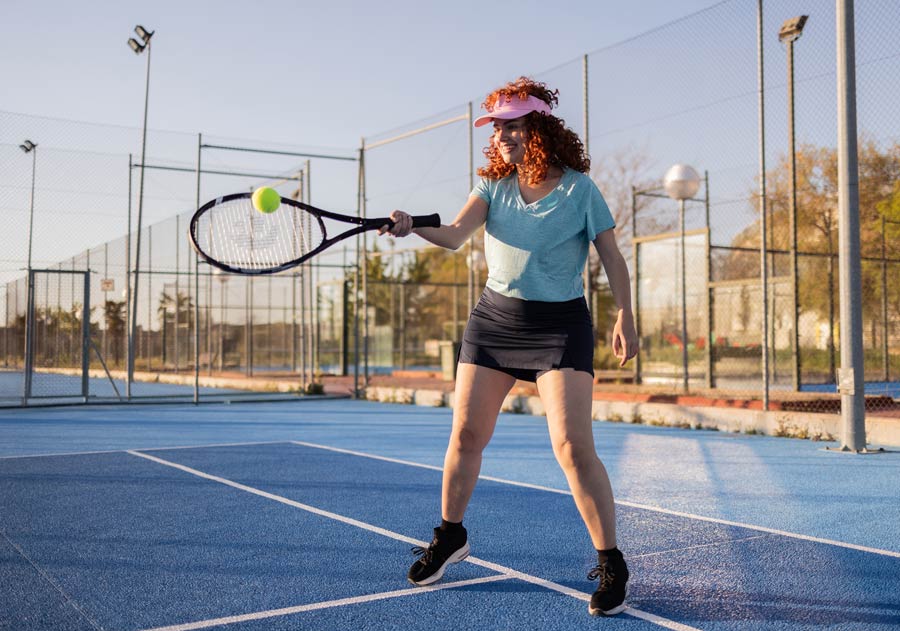
Many people want the benefits of exercise but struggle to stay motivated with the same gym routine. Tennis lessons offer a different path. You get a blend of cardio, strength, skill learning, and social time on well‑maintained tennis courts, and you can tailor the pace to your level.
In Tucson, the climate and active racquet‑sport culture make lessons an easy fit for adults and juniors. If you are exploring tennis clubs in Tucson, this guide explains why lessons, clinics, and structured tennis programs can be more engaging than a solo gym plan.
Cardio and strength, together in one session
Tennis is interval‑based by nature. Rallies, serves, and change‑of‑direction footwork raise your heart rate, then short breaks help you recover. The on‑court movements recruit legs, hips, core, back, and shoulders. You build endurance and functional strength at the same time. Because tennis is weight‑bearing, it also supports bone density. You can scale intensity by choosing singles or doubles and by adjusting rally length and court coverage with your coach.
Skill progression keeps you engaged
Unlike repeating the same machine circuit at the gym, tennis lessons give you a clear progression. A coach structures your session with targeted drills, measurable goals, and feedback. You will work on contact point, spin, footwork patterns, and serve rhythm, then apply those skills in live play. Small wins add up, which makes it easier to stay consistent week after week. If you prefer learning in a group, tennis clinics combine instruction with friendly play. If you like a plan, tennis programs map out your next few weeks so you always know what to practice.
Social connection and accountability
Fitness is easier when it is fun and social. Tennis lessons and clinics connect you with other players at your level. Doubles play builds teamwork and quick decision‑making, and the tennis club environment provides natural accountability. You are more likely to show up when a coach and partners are expecting you. The social side also reduces stress and makes each workout feel less like a chore and more like an hour with friends.
Outdoor time and mental benefits
Court time gets you outside, which many people find refreshing compared with indoor workouts. Sunlight and open space can boost mood and focus. The sport also sharpens attention, reaction time, and problem‑solving, since every point is a new situation. You practice staying calm under pressure and resetting quickly after mistakes. The mental skills transfer to daily life, helping with concentration and resilience.
Technique and coaching reduce injury risk
Good technique matters in any sport. In a gym, it is common to guess at form or load too much weight. In tennis lessons and clinics, a coach helps you find efficient strokes and safe footwork patterns. You will learn how to warm up, how to use your legs and core to protect the shoulder and elbow, and how to land softly after direction changes. Proper equipment also helps. A coach will guide you on racquet weight and grip size, string tension, and court shoes with the right support.
Flexible formats that fit your week
There is a lesson format for almost every schedule and personality. Some people love the focus of one‑to‑one coaching. Others prefer small group tennis clinics, where you get feedback while hitting a lot of balls. If you enjoy structure, multi‑week tennis programs help you build skills in a sequence. If you want a quick, high‑rep session, a coach can set live‑ball drills that feel like a fun workout. You can also mix in match play on open court time, so your practice turns into a social hour.
Why lessons can beat a solo gym plan for beginners and returners
Starting or restarting fitness is tricky when you are alone. In a gym, the first weeks often feel confusing. Tennis lessons remove much of that friction. You show up, a coach sets the plan, and your job is to move, learn, and enjoy. Real‑time feedback speeds up learning. You avoid common pitfalls like gripping too tight, arming the ball, or over‑rotating the spine. Because the sport is skill‑based, improvement is visible, which is highly motivating. Many players find they build a consistent habit faster with lessons than with unguided gym sessions.
What to expect from tennis lessons for adults in Tucson
A typical adult lesson starts with a short warm‑up and footwork patterns to prepare your joints and balance. Drills focus on one or two priorities, such as cleaner contact or better spacing to the ball. You will likely work on a reliable second serve and safe, high‑percentage targets. Conditioning is built into the drills rather than tacked on at the end. You finish with a short play segment to apply the skills under light pressure. Over several weeks, you should see smoother timing, better court positioning, and more confidence in extended rallies. If you want extra reps, you can add a weekly group clinic so you see more live balls in different patterns.
What to expect from tennis programs for juniors in Tucson
Junior players thrive when the format is age‑appropriate and fun. Lessons for young beginners usually emphasize movement games, hand‑eye coordination, and cooperative rallies on smaller courts. As players progress, coaches expand to full‑court footwork, serve toss consistency, and point patterns. Good junior tennis programs build character as much as skill. Kids learn respect for opponents, how to handle wins and losses, and how to be a good partner in doubles. For families, lessons and clinics create a welcoming routine at the tennis club, and many parents enjoy playing social doubles while their kids are in a session.
Facilities matter: courts, lighting, and amenities
The environment shapes the experience. Quality tennis courts with true bounces and good lighting make practice more productive. Having several surfaces and plenty of court availability means you can schedule at convenient times. A dedicated tennis club often adds amenities that make it easy to linger, practice serves on the side, or meet friends for a quick hit after work. Ample parking, shade areas, comfortable seating, and nearby food options keep the day simple. If you need gear or stringing, on‑site support saves you an extra stop.
Cost and time efficiency
Lessons can be surprisingly efficient. In sixty minutes, you can get a full‑body workout, refine a specific skill, and leave with two or three clear take‑home drills. You also learn how to practice on your own, which multiplies the value of each coached hour. Group clinics are a cost‑effective way to get coaching while hitting a large number of balls, and multi‑week programs let you plan ahead and budget confidently. Compared with piecing together a gym plan across many machines and classes, tennis concentrates effort and feedback into one engaging session.
A simple eight‑week plan to get started
Week 1 to 2: One private lesson to assess grips, contact point, and footwork spacing. Add one group clinic for extra reps. Keep rallies short and focus on clean timing.
Week 3 to 4: Maintain one lesson and one clinic. Introduce serve rhythm and a safer second serve. Start using percentage targets, such as cross‑court deep to big spaces.
Week 5 to 6: Add a short match‑play block at the end of a clinic. Work on simple patterns like serve plus one, or return plus one. Track first‑serve percentage and unforced errors to measure progress.
Week 7 to 8: Keep the weekly lesson and clinic. Schedule one social doubles hit to enjoy the community side. Review goals with your coach and set your next focus area, such as improving transition footwork or adding a reliable slice.
For Tucson specifically: variety for every player
If you are looking for tennis clubs in Tucson, you will find that lessons, clinics, and programs are available for early birds and evening players. Adults who want structured practice can choose from options that emphasize fundamentals, live‑ball play, or match strategy. Families can pair tennis lessons for adults in Tucson with tennis lessons for juniors in Tucson so the whole household stays active. The mix of formats makes it easy to build a routine that fits your week.
Final thoughts
Tennis lessons offer a compelling alternative to the gym. You get cardio and strength in the same hour, constant skill development, and a friendly community that makes it easy to show up. Clinics and programs keep your practice focused without feeling repetitive. With quality courts, helpful coaches, and flexible scheduling, tennis can become the part of your week you most look forward to. If you want a fitness habit that lasts, pick up a racquet, book a lesson, and let the game do the motivating.